

Renting out a room in your home can cover a real chunk of your mortgage — but only if you treat it like a business, not a favor to a stranger. Nearly half of U.S. homeowners now say they struggle to afford their monthly payments. This guide walks through the legal, financial, and screening steps most articles skip.
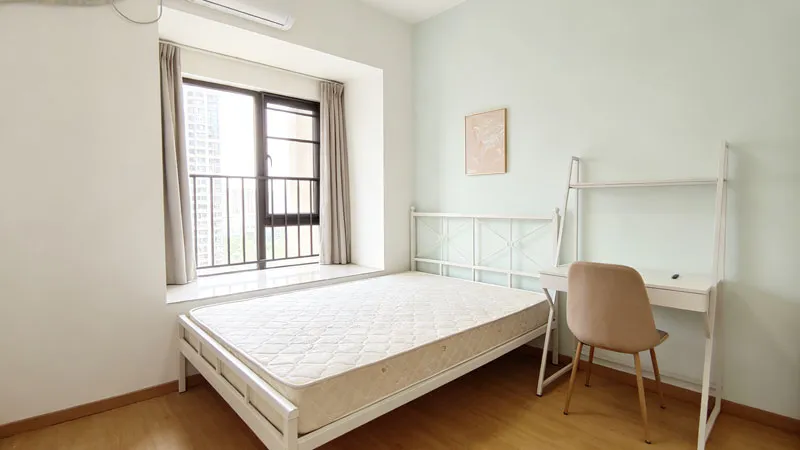
Is Renting Out a Room in Your Home Worth It?
Before you touch a listing site, run the numbers honestly.
Housing costs have gotten heavier, not lighter. A Redfin-commissioned survey from late 2025 found that roughly 49% of U.S. residents struggle to afford their regular rent or mortgage payments, up from 44% just six months earlier. Millennials and Gen Xers aren’t far behind Gen Z, with 53% and 54% reporting the same difficulty. If you’re feeling squeezed, you’re not the exception. NMP
What You’ll Actually Gain
- Extra monthly cash flow without a second job
- Faster mortgage payoff if you apply the income directly
- Real landlord experience before buying a rental property
What It Costs You
- Privacy. You’re sharing a kitchen, not just a lease.
- Time. Screening, showings, and repairs land on you.
- Risk. A bad tenant can cost more than an empty room ever would.
Quick Self-Check
Ask yourself three things before moving forward:
- Can I legally rent this room under my lease, mortgage, or HOA rules?
- Do I have $500+ set aside for unexpected repairs or vacancy gaps?
- Am I comfortable enforcing rules with someone living under my roof?
If you hesitated on any of these, address it before you post an ad.
Understand Your Legal Status as a Live-In Landlord
This is the part most guides gloss over — and it’s where you can get burned.
Owner-Occupied Rentals Aren’t Treated the Same as Full Rentals
Many states carve out exceptions for landlords who live in the same unit as their tenant. Some cap or waive security deposit limits differently for owner-occupied setups. Others exempt small, owner-occupied rentals from parts of Fair Housing law when you’re renting a room in your own primary residence and sharing living space. The exemption is narrow and doesn’t apply if you advertise a discriminatory preference. [Fair Housing Act owner-occupied exemption]
Rules shift by state and even by city. Confirm yours with a local housing attorney before you write a single lease clause.
Watch Your Mortgage and HOA Terms
Some conventional loans restrict renting out part of an owner-occupied home, and HOAs often have their own leasing caps or approval steps. Call your lender and your HOA before listing the room — not after you’ve signed a tenant.
Fair Housing: What You Can’t Say in a Listing
You can describe the room. You can’t describe your ideal tenant’s family status, religion, or national origin. Skip phrases like “perfect for a single professional” or “no kids” — both can trigger a fair housing complaint even in a shared-home setup. [Fair Housing compliance for landlords]
Prepare the Room and the Rest of Your Home
A habitable room isn’t optional — it’s a legal baseline in every state, even for a single bedroom.
Habitability Checklist
- Working locks on the bedroom door
- Functioning heat, plumbing, and electrical outlets
- Clear fire exit path and working smoke detector nearby
Insurance Before You List
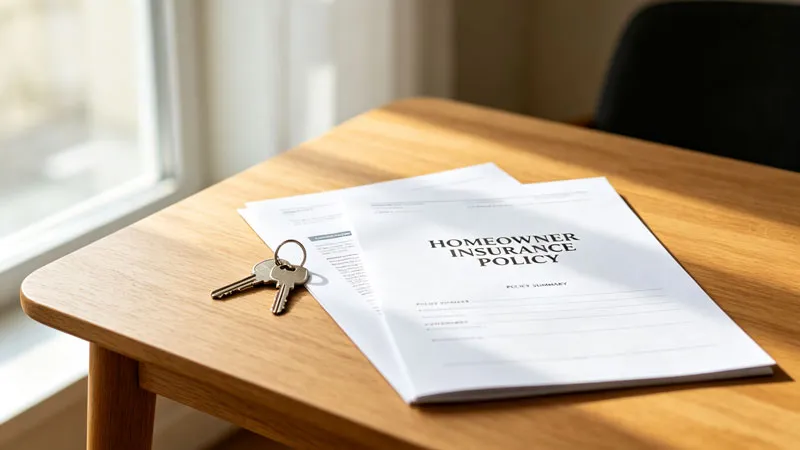
Standard homeowner’s insurance often doesn’t cover rental activity or a tenant’s belongings. Before you sign anyone, check three things:
- Does your homeowner’s policy require a rider for a paying tenant?
- Should you require the tenant to carry renters insurance?
- Do you need liability coverage specifically for shared-space injuries?
Set the Right Rent Price
Overpricing leaves the room empty. Underpricing leaves money on the table and can attract applicants who aren’t a strong financial fit.
| Room Type | Typical Monthly Range (Shared Home) | Best For |
|---|---|---|
| Private room, shared bath | $600–$900 | Students, early-career renters |
| Private room, private bath | $850–$1,300 | Working professionals |
| Basement/in-law suite (private entrance) | $1,000–$1,700 | Long-term tenants, couples |
Ranges vary sharply by metro area — treat this as a starting framework, not a quote.
Cross-check your number against local listings and your area’s median income. A room priced above what a typical local renter earns will sit vacant longer than one priced to match the market.
Write a Room Rental Agreement That Protects You
A verbal agreement with a roommate is not a lease — and it won’t hold up if things go sideways.
Non-Negotiable Clauses
- Rent amount, due date, and accepted payment methods
- Security deposit amount and your state’s return deadline
- Maintenance vs. damage — spell out what’s normal wear and what isn’t
- Guest policy and quiet hours
- Notice period required before either party can end the arrangement
The Exit Clause Nobody Talks About
What happens if the relationship just doesn’t work, even without a lease violation? Build in a defined notice period — often 30 days — for either side to end things cleanly. Without this, you’re stuck choosing between an awkward standoff or a formal eviction, which can take weeks and cost real money. [room rental lease agreement template]
Advertise, Interview, and Screen Every Applicant

Writing the Listing
List the bed size, bathroom setup, shared spaces, and house rules upfront. Skip anything that reads like a demographic preference — stick to the property, not the person.
The Screening Sequence
- Phone or video interview — filter out obvious mismatches fast.
- Rental application — income, rental history, references.
- Reference checks — call two prior landlords and the current employer.
- Formal background check — credit, criminal history, and eviction records through a licensed screening service.
Don’t skip step 4 because you “have a good feeling.” Eviction filings can run into the thousands once legal fees, lost rent, and turnover costs stack up — and that’s the exact cost this step is designed to prevent.
Tax Rules for Renting Out a Room (The Part Most Guides Skip)
The IRS treats room rental income the same as any other rental income — it’s taxable, and it needs to be reported.
What Counts as Taxable Income
- Regular rent payments
- Advance rent
- Any portion of a security deposit you keep for damages
What You Can Deduct
This is where most first-time room landlords leave money on the table. Because you’re renting part of a home you live in, you can typically deduct a percentage of shared expenses based on the square footage or room count you’re renting out:
- Mortgage interest and property taxes (partial, based on rented share)
- Homeowners insurance (partial)
- Utilities you pay on the tenant’s behalf (partial)
- Repairs directly tied to the rented room (full amount)
Keep a dedicated folder — digital or physical — for every receipt, utility bill, and repair invoice tied to the rental. You’ll need it at tax time and if you’re ever audited.
FAQ: Renting Out a Room in Your Home
Is renting out a room in my house considered a business?
For tax purposes, yes — the IRS treats it as rental income regardless of scale, even if it’s a single room.
Do I need landlord insurance for just one room?
Not always a full landlord policy, but you likely need a rider or endorsement on your existing homeowner’s policy. A standard policy alone often won’t cover a paying tenant.
Can I rent out a room if I still have a mortgage?
Usually yes, but check your loan terms first. Some conventional mortgages restrict rental use of an owner-occupied property.
How much notice do I have to give a roommate to move out?
This depends on your state and whether you have a written lease. Without one, many states default to 30 days for month-to-month arrangements — confirm your local rule before acting.
Is a roommate agreement the same as a lease?
No. A roommate agreement typically covers shared-living house rules, while a lease is the legally binding rental contract covering rent, deposit, and term.
Disclaimer
This article is for educational purposes only and does not constitute legal, tax, or financial advice. Landlord-tenant laws, Fair Housing exemptions, and tax deduction rules vary by state and change over time. Consult a licensed attorney, CPA, or housing authority in your area before making decisions based on this content.