

Introduction
How do I get a better paying job? Start by checking if you’re actually underpaid — most people never do. A 2025 Pew Research survey found 56% of workers who quit last year cited low pay as the top reason. This guide gives you the numbers, the scripts, and the exact steps to close that gap.

Am I Actually Underpaid? How to Know Before You Take Action
Don’t guess. Check.
5 Concrete Signs You’re Underpaid
- A new hire on your team makes more than you for the same role
- Interview offers come in 15%+ above your current pay
- Your raise hasn’t kept pace with inflation for two straight years
- You’ve absorbed a manager’s workload without a title change
- Your industry’s median pay has risen faster than yours
How to Benchmark Your Salary With Real Data
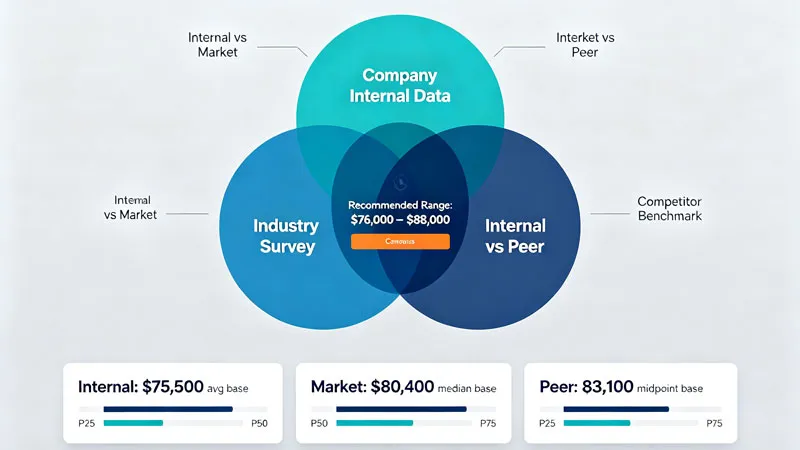
Pull numbers from three sources, not one. The U.S. Bureau of Labor Statistics Occupational Employment and Wage Statistics program gives you government-verified median pay by role and region. Cross-check it against Levels.fyi (strong for tech) and Glassdoor (broader coverage). If two of three sources point the same direction, you have a real gap — not a hunch.
BLS Occupational Employment Wage Statistics
Internal Raise vs. External Job Change — Which Pays More?
This is the decision most people skip straight past.
| Factor | Internal Raise | External Job Change |
|---|---|---|
| Average pay increase | 3–5% | 10–20% |
| Time to close | Weeks | 1–3 months |
| Risk level | Low | Moderate |
| Benefits/tenure loss | None | Possible (see risks section) |
| Relationship capital | Preserved | Reset |
When Staying Makes More Sense
You like the team, the role has growth room, and your manager has shown they’ll fight for your raise. Ask before you leave.
When Job-Hopping Is the Smarter Financial Move
Your ceiling is fixed, the role hasn’t evolved in two years, or leadership has said no to comparable raises before. Stop waiting for a yes that isn’t coming.
The 2026 Salary Landscape — What’s Actually Changed
Pay data from three years ago won’t help you today.
Salary Transparency Laws by State
California, New York, Colorado, and Washington now require employers to post pay ranges on job listings. That single change gives you leverage you didn’t have before — you can walk into a negotiation already knowing the band, not guessing at it. Check your state’s current requirements before your next application round.
How AI Is Reshaping Which Skills Command a Premium
Roles that pair a technical base with AI tool fluency — prompt design, workflow automation, data interpretation — are pulling ahead in pay growth across multiple sectors, according to recent LinkedIn Economic Graph reporting. The gap is widening, not narrowing.
Remote Work and Geographic Pay Adjustments
Location-based pay cuts for remote roles are less common than they were in 2022. More companies now pay by role, not zip code. Confirm this directly with any employer before assuming a pay hit.
7 High-Growth Roles Worth Targeting in 2026
| Field | Example Role | Median Pay | Entry Barrier |
|---|---|---|---|
| Health Tech | Clinical Informatics Analyst | High | Bachelor’s + certification |
| Cybersecurity | Security Analyst | High | Certification-friendly |
| Data | Data Analyst | Mid-High | Bootcamp or degree |
| Renewable Energy | Solar Project Manager | Mid-High | Trade cert or degree |
| Skilled Trades | HVAC/Electrical | Mid-High | Apprenticeship |
| Sales Ops | Revenue Operations Manager | High | Experience-based |
| Logistics | Supply Chain Analyst | Mid-High | Degree preferred |
Highest-Paying Jobs Without a Degree
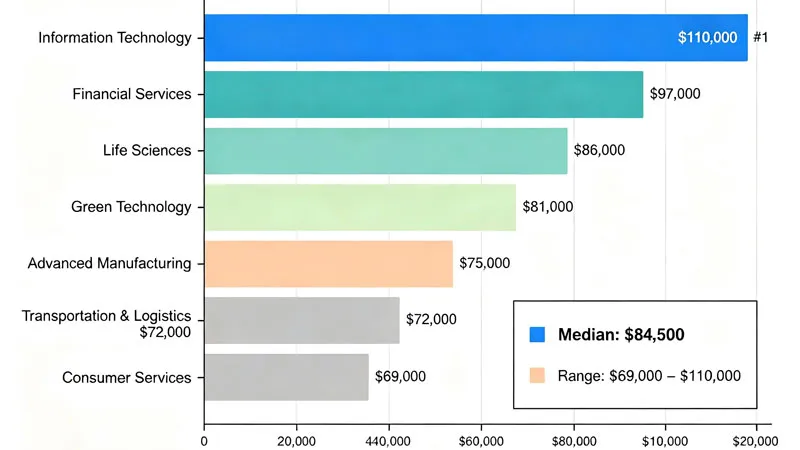
Skilled trades (electricians, HVAC technicians), sales roles with commission structures, and select IT certifications (CompTIA, AWS) routinely outpace entry-level degree-required jobs. Don’t rule out a path just because it skips a diploma.
Build the Skills That Actually Move Your Salary Needle
Not every certification pays off. Some do, clearly.
Technical & Data Skills Worth the Investment
Python, SQL, and cloud platform certifications (AWS, Azure) show consistent pay premiums across industries — the return usually beats the cost within a year.
Leadership & Project Management Credentials
A PMP or CAPM credential signals you can run a team and a budget, not just do the work. That distinction is often the line between individual-contributor pay and management pay.
Make Yourself Impossible to Overlook
Resume Checklist for Higher-Paying Roles
- Lead every bullet with a number, not a duty
- Cut anything older than 10 years unless directly relevant
- Match language from the job posting, word for word where honest
- Remove the objective statement — nobody reads it
LinkedIn Optimization for Recruiter Visibility
Recruiters search by keyword before they ever open a profile. Match your headline and skills section to the exact titles you’re targeting.
When You Need a Portfolio
If your work produces something visible — design, writing, code, campaigns — build one. If it doesn’t, skip it and put that time into interview prep instead.
Networking That Actually Leads to Job Offers
The Warm Introduction Framework
Cold applications get ignored. A warm introduction from a former colleague gets read. Map out who you’ve worked with in the last five years before you open a job board.
How to Reconnect Without Feeling Awkward
Send a short message referencing something specific you worked on together, then ask one direct question about their current company. Skip the vague “let’s catch up.”
One reader, a mid-level marketer, reconnected with a former manager on LinkedIn after two years of silence. That single message led to a referral and a 22% pay jump within six weeks.
How to Negotiate a Higher Salary — Word-for-Word Scripts
This is where most guides stop short. Here’s the actual language.
Salary Negotiation Email Template
“Thank you for the offer — I’m excited about this role. Based on my research into comparable positions and my experience with [specific skill], I was hoping we could discuss a base closer to $X. Is there flexibility here?”
How to Handle “That’s Outside Our Budget”
Ask what else has room to move: signing bonus, extra PTO, an earlier review date, remote flexibility. Budget lines aren’t always frozen the same way.
5 Common Negotiation Mistakes That Cost You Thousands
- Accepting the first number without a counter
- Naming a number before the employer does
- Negotiating over text or chat instead of a call
- Apologizing for asking
- Skipping the total compensation picture (bonus, equity, benefits)
Salary Negotiation Email Templates
The Risks Nobody Talks About Before You Switch Jobs
Job-Hopping Perception — Still a Red Flag?
Less than it used to be. Two to three years per role is now standard across most industries. Under 12 months, twice in a row, still raises questions.
What You Could Lose
A new job can reset your 401(k) vesting schedule, create a health insurance coverage gap, and push you into a higher tax bracket without matching take-home pay if bonuses or equity are involved. This isn’t tax or financial advice — talk to a licensed advisor before you sign anything with equity or deferred compensation attached.
How to De-Risk a Career Change at 30, 35, or 40
Build a three-month expense cushion before you resign. Negotiate a start date gap if you need one for benefits continuity. Get any verbal offer in writing before giving notice.
FAQ
How long should I wait before asking for a raise?
Six to twelve months after your last increase, or immediately after a clear jump in responsibility.
Is it bad to negotiate salary for an entry-level job?
No. Most employers expect it and build room into the initial offer.
What’s the average salary increase when switching jobs in 2026?
Typically 10–20%, though it varies sharply by industry and role scarcity.
Should I tell my employer I have another offer?
Only if you’re genuinely willing to leave. Using it as a bluff can backfire if they call it.
How do I get a better paying job without a college degree?
Target skilled trades, certification-based tech roles, or commission-heavy sales positions — all three routinely pay above entry-level degree jobs.
Disclaimer
This article is provided for general informational purposes only and does not constitute financial, tax, or legal advice. Salary outcomes, benefits, and tax implications vary based on individual circumstances, employer policies, and state law. Consult a licensed financial advisor, tax professional, or employment attorney before making major career or financial decisions.