

Your credit limit refills the second you make a payment. How platforms support revolving credit isn’t magic — it’s underwriting, real-time data, and a set of consumer protections most people never read. Here’s what’s actually happening behind your app.
What Platforms Actually Do Differently From Banks
A traditional bank issues you a card, then reviews your account once a quarter if you’re lucky. A digital platform watches your account constantly. That’s the real shift.
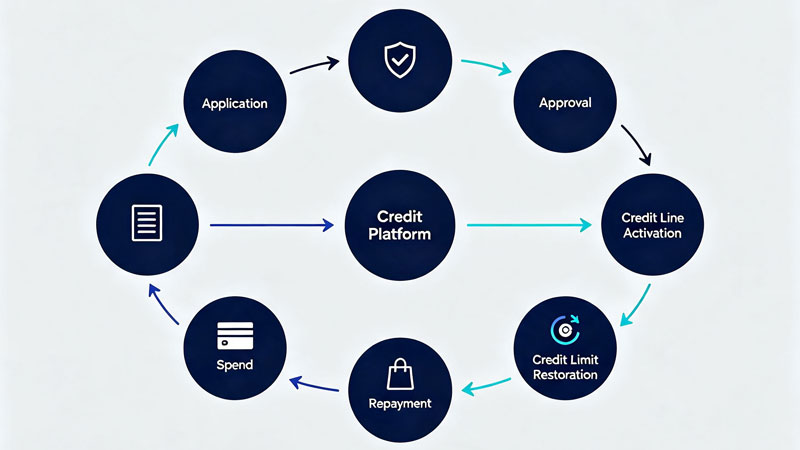
Banks still dominate total credit card volume. But fintech platforms changed the speed of the loop — approval, spending, repayment, and limit restoration now happen in near real time instead of over days.
Why This Speed Actually Matters to You
Faster data means faster consequences, both good and bad. Pay down your balance today, and some platforms restore your available credit within minutes. Miss a payment, and the same speed works against you — utilization spikes hit your credit file faster too.
The Infrastructure Behind Your Credit Limit
This is the part competitors skip. Platforms don’t just display your balance — they run three systems simultaneously to keep revolving credit functional.
Underwriting Beyond Your Credit Score
Traditional underwriting leans almost entirely on your credit report. Many fintech platforms now blend in cash flow data — bank transaction history, income patterns, even subscription payments — to set or adjust limits. This is why someone with a thin credit file can sometimes get approved through a platform when a traditional bank would decline them outright.
Real-Time Balance Tracking
Your bank statement used to be the only place you’d see your balance. Now, API-connected accounts push updates the moment a transaction clears. That’s not a cosmetic feature — it’s the mechanism that lets you catch overspending before the billing cycle even closes.
Automated Repayment and Limit Restoration
Auto-pay isn’t just convenience. It’s the piece of infrastructure that prevents the late payment that would otherwise cost you the most on your credit file.
how credit utilization affects your score
Types of Platforms Offering Revolving Credit
Not all revolving credit comes from the same place, and the differences matter for your rate and your credit file.
| Platform Type | Typical Limit | APR Range | Reports to Bureaus? | Best For |
|---|---|---|---|---|
| Traditional bank credit card | $1,000–$25,000+ | 18%–29% | Yes, all three | Long credit history, rewards |
| Fintech/neobank credit product | $500–$10,000 | 15%–30% | Often, varies by issuer | Thin-file or self-employed users |
| BNPL with revolving features | $200–$3,000 | 0%–36% | Inconsistent | Short-term, one-off purchases |
| Business line of credit platform | $5,000–$250,000 | 8%–40% | Business bureaus only | SMEs with cash flow gaps |
The BNPL row is the one most guides gloss over. Some BNPL providers now report installment-style loans to credit bureaus, while others operate almost invisibly to your credit file. That inconsistency is itself a risk — you can’t manage what you can’t see.
Revolving Credit vs. Installment vs. BNPL
People conflate these three constantly. Here’s the actual breakdown.
| Revolving Credit | Installment Loan | BNPL | |
|---|---|---|---|
| Funding structure | Reusable limit | One-time lump sum | Fixed short-term plan |
| Repayment | Flexible, minimum due | Fixed schedule | Fixed, short-term |
| Interest type | Variable, ongoing | Usually fixed | Often 0%, or high if missed |
| Credit impact | Direct, via utilization | Indirect, via payment history | Varies by provider |
Tools Platforms Give You to Stay Ahead of Debt
Most articles stop at “here’s what revolving credit is.” Few explain the tools sitting inside your app right now.
- Utilization alerts. Push notifications when you cross a set percentage of your limit.
- Spending caps. Self-imposed limits below your actual credit line.
- Built-in score simulators. Model what a balance transfer or payoff would do before you act.
- In-app consolidation offers. Some platforms surface personal loan options directly when they detect high utilization.
None of these tools work if you ignore them. Turn on alerts. That single step catches most overspending before it becomes a statement balance problem.
How Revolving Credit Actually Moves Your Credit Score
FICO weighs five factors, and two of them are almost entirely about how you use revolving credit.
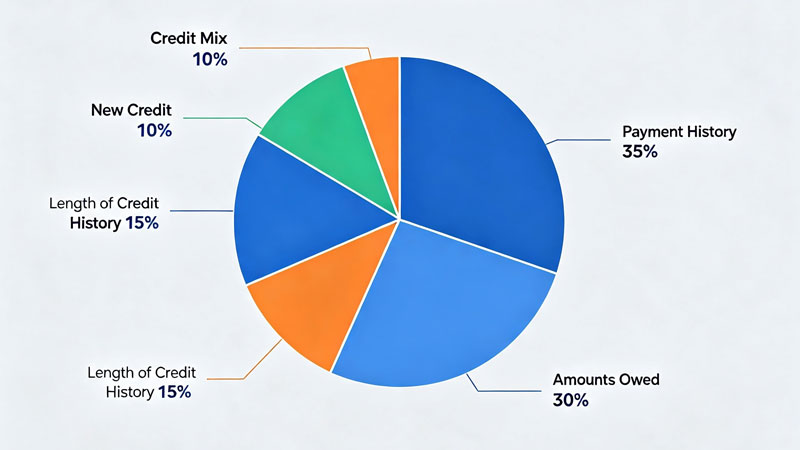
Payment history — 35%. This is the single largest factor in your FICO Score. One late payment reported to the bureaus can stay on your file for years.
Amounts owed — 30%. Amounts owed, including credit utilization, is the second-largest factor. Keeping utilization below 30% is the general guideline, though scores in the highest tiers usually sit under 10%. ConsumerAffairs
Length of history, new credit, credit mix — 15%, 10%, 10%. These three factors together make up the remaining 35% of your score.
The practical takeaway: paying your statement balance down before it closes — not just before the due date — is the fastest lever you control, since the reported balance is what utilization calculations use.
The Regulatory Protections Platforms Must Follow
This is where most content on this topic goes quiet. It shouldn’t.
The CARD Act Protections You Already Have
Card issuers must give you written notice at least 45 days before raising your APR or making other significant changes to your account terms. Any purchases you make more than 14 days after that notice count under the new rate — everything before stays protected at the old one. Consumer Financial Protection BureauMoneyatlas
Issuers are also required to deliver your statement at least 21 days before your payment is due, which gives you a real window to catch errors or plan a payment — not the shifting due dates that were common before 2009. Consumer Financial Protection Bureau
One gap worth knowing: banks generally don’t have to give advance notice if they cut your credit limit or close your account. That protection runs one direction, not both.
Credit CARD Act consumer protections
Filing a Complaint
If a platform violates these terms, the CFPB accepts direct complaints and typically forces a written response from the company within 15 days. Most people don’t know this exists until they need it.
Choosing the Right Platform for Your Situation
Building credit from zero. Look for platforms that report to all three bureaus and offer low starting limits with a clear path to increases. A thin file benefits more from consistency than from a high limit.
Managing high-interest debt already. Prioritize platforms with built-in consolidation tools or transparent balance transfer terms over ones that just extend more credit.
Running a small business. Match the platform to your cash flow rhythm — a revolving line suits seasonal dips better than a fixed-term loan.
The Real Cost of Minimum Payments — A Worked Example
Say you carry a $5,000 balance at 22% APR and only pay the minimum (roughly 2% of balance). You’d take close to 25 years to pay it off, and total interest paid would exceed the original balance.
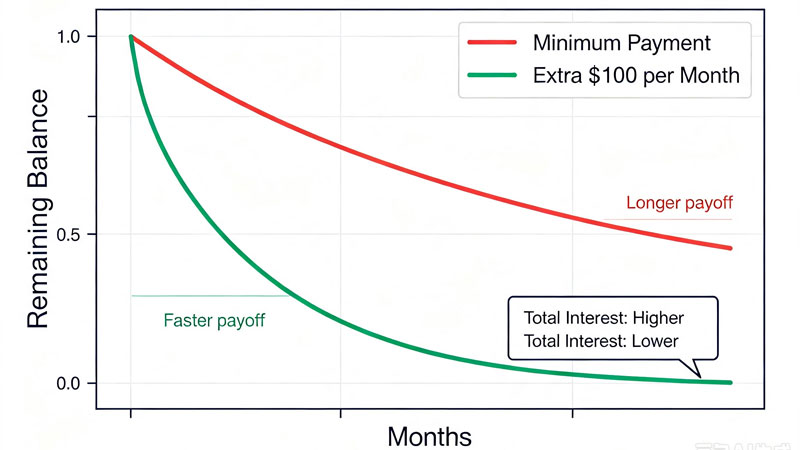
Add just $100 extra per month, and the payoff timeline drops to roughly 4 years, cutting total interest by thousands. This is the gap platforms rarely surface prominently — the minimum payment button is easy to find; the true cost of pressing it repeatedly is not.
FAQ
Do fintech platforms report revolving credit to all three credit bureaus?
Not always. Some report to one or two bureaus, or only after a delinquency. Check your platform’s terms directly — don’t assume parity with traditional bank cards.
Is BNPL considered revolving credit?
Technically no — most BNPL is a fixed installment plan. But some newer BNPL products with reusable limits behave like revolving credit and should be treated with the same utilization caution.
Can a platform lower my credit limit without notice?
Yes. Banks aren’t required to give advance notice before cutting your limit or closing your account. This can spike your utilization ratio overnight through no fault of your own.
What happens to my revolving credit line if a fintech platform shuts down?
Your obligation to repay the balance doesn’t disappear. The account typically transfers to a receiving bank or debt servicer, and your repayment terms should stay materially the same under existing consumer protection law.
Disclaimer
This article is for educational purposes only and does not constitute financial, legal, or investment advice. Rules, rates, and platform terms change — consult a licensed financial advisor or credit counselor before making decisions about your specific situation.